

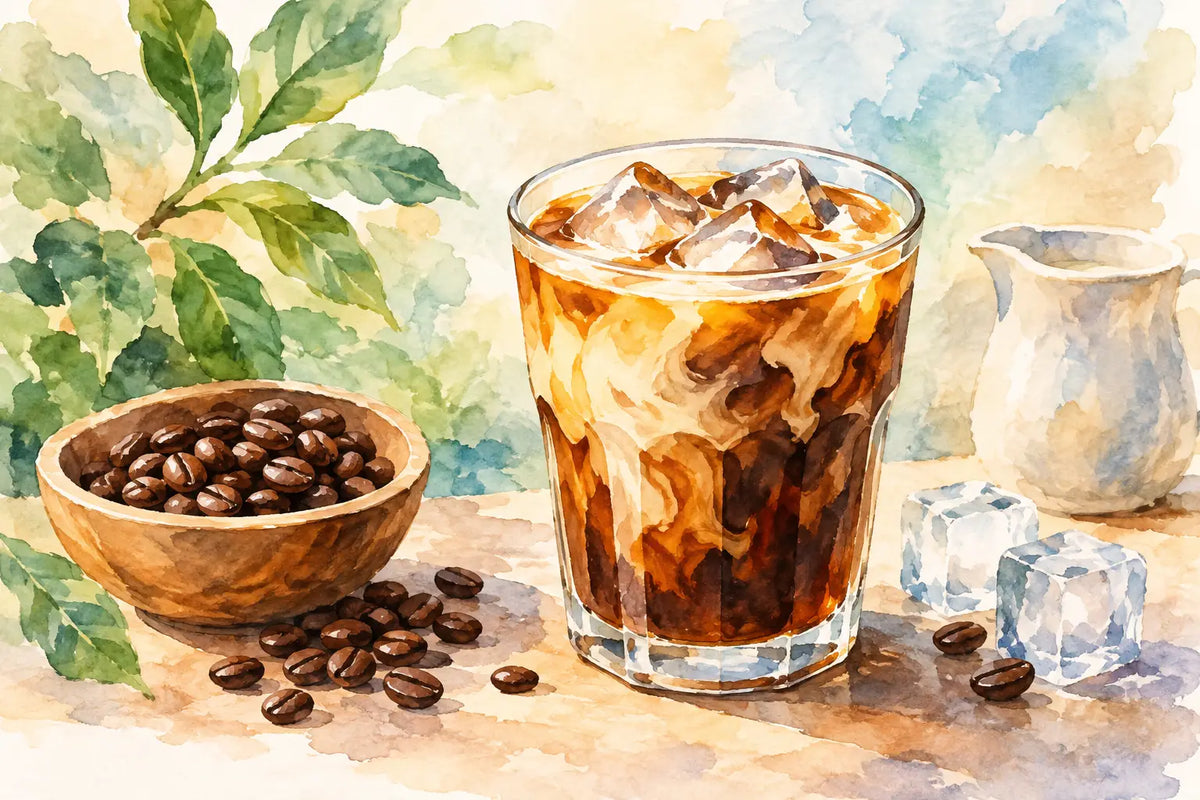
A cold espresso can look deceptively simple: espresso, ice, perhaps a splash of water or milk. But if you are asking how much caffeine in iced espresso, the answer is not found in the ice.
It comes down to what is underneath it - the number of espresso shots, the coffee used, and the way the drink is prepared. For people who rely on coffee for clear focus and steady momentum, knowing that number can make the difference between feeling energized and feeling overstimulated.
How Much Caffeine Is in Iced Espresso?
A standard single shot of espresso, usually about 1 ounce, contains roughly 60 to 75 milligrams of caffeine. An iced espresso made with two shots will usually provide about 120 to 150 milligrams.
That is the practical range for many coffeehouse-style iced espressos. But there is no universal caffeine level. One brand may use a smaller shot, another may use more coffee in the puck, and a ready-to-drink iced espresso may be formulated with a different amount entirely.
The most reliable answer is always the product label or the café’s published nutrition information. If caffeine intake matters to your sleep, training, anxiety levels, or daily routine, it is worth looking beyond the name of the drink.
Iced espresso vs. iced coffee
Iced espresso is generally more concentrated than iced coffee. Espresso is brewed by forcing hot water through finely ground coffee under pressure. The result is a small, concentrated serving with a fuller texture and a meaningful amount of caffeine in just a few ounces.
Iced coffee is brewed as coffee first, then chilled or poured over ice. It often comes in a larger serving, so its total caffeine can equal or exceed an iced espresso even though it tastes less intense per sip.
For example, a 16-ounce iced coffee may contain 150 to 250 milligrams of caffeine, depending on the recipe. A double iced espresso may contain 120 to 150 milligrams in a much smaller volume. Neither is automatically the better choice. It depends on whether you want a quick, concentrated dose of energy or a drink you can enjoy more slowly.
What Changes the Caffeine in Iced Espresso?
Caffeine is not a fixed feature of every espresso shot. Several variables affect the final amount in your cup.
The first is the number of shots. A single shot may suit someone who wants a lighter lift or drinks coffee later in the day. Two shots are common for an iced espresso and deliver a more noticeable dose. Three or four shots can move quickly into high-caffeine territory, especially if you have already had coffee that morning.
The coffee itself matters, too. Different beans and blends contain different amounts of caffeine. Robusta coffee generally contains more caffeine than arabica, while many premium espresso offerings are made primarily with arabica for its balanced flavor profile. Roast level gets more attention than it deserves here. Light and dark roasts can have similar caffeine levels when measured by weight. The brew recipe has a much greater impact on what reaches your cup.
Shot size and extraction also play a role. A longer pull may extract more caffeine than a short ristretto-style shot. A café can change the dose of ground coffee, beverage yield, and recipe without changing the drink name on the menu.
Finally, ice does not reduce the caffeine in your espresso. It changes temperature and dilutes the drink as it melts, but the caffeine amount stays the same. If a drink feels weaker after the ice melts, that is a flavor and concentration change, not a lower caffeine dose.
A Practical Caffeine Range for Your Day
For most healthy adults, the FDA cites 400 milligrams of caffeine per day as an amount not generally associated with negative effects. That figure is a broad guideline, not a personal target.
Caffeine sensitivity varies significantly. Some people can enjoy a double iced espresso in the afternoon and sleep normally. Others may feel restless, experience digestive discomfort, or notice poorer sleep from the same drink well before noon.
Pregnant or breastfeeding individuals, people taking certain medications, and those with specific health concerns should speak with a qualified clinician about the amount that fits their circumstances. A wellness routine should support how you feel, not ask you to push past signals from your body.
A double iced espresso can fit comfortably into many daily routines. Still, it helps to account for every source: morning coffee, pre-workout supplements, tea, energy drinks, chocolate, and even some medications can contribute caffeine.
If your goal is focused energy without the late-day crash, timing may matter as much as dosage. Many people benefit from making their last caffeinated drink earlier in the afternoon. Caffeine has a relatively long half-life, meaning a portion can remain in your system hours after your final sip.
Choosing an Iced Espresso That Feels Better
Caffeine is only one part of the experience. The quality of the coffee and the ingredients around it can shape how an iced espresso tastes and how it fits into your day.
Start with the coffee itself. Coffee is an agricultural product, and its journey includes growing, harvesting, processing, drying, storage, shipping, roasting, and brewing. For people who pay close attention to mold exposure, pesticides, glyphosate, or ingredient quality, transparent sourcing and third-party laboratory testing offer meaningful peace of mind.
Acidity is another consideration. Espresso naturally has a bright, concentrated profile, but a thoughtfully roasted, low-acid coffee can feel gentler for people whose stomachs do not love harsh coffee. That does not mean acidity is inherently bad. It means your coffee should work with your body and your preferences.
Then consider what has been added. A straight iced espresso with ice keeps the ingredient list simple. Milk, sweeteners, flavored syrups, and protein additions can all have a place, but they can shift the drink from a focused coffee ritual into a dessert-like beverage. If you want to understand how caffeine affects you, keeping the drink simple at first makes that easier.
Seek® Iced Espresso is designed for people who want more confidence in the coffee ritual itself: certified organic coffee that is laboratory tested, low acid, and made with contaminant-conscious standards. The goal is not simply more caffeine. It is cleaner daily performance built around coffee you can feel good about drinking.
How to Find Your Right Amount
There is no prize for drinking the strongest coffee available. The right amount of caffeine is the amount that helps you show up for what matters without compromising sleep, mood, digestion, or recovery.
A useful starting point is one shot if you are caffeine-sensitive, drinking coffee after lunch, or returning to caffeine after a break. A double shot may make sense if you tolerate caffeine well and want a more substantial boost before a demanding work block, workout, or long drive.
Pay attention to the full pattern, not just the first 30 minutes. Do you feel alert and grounded? Or jittery, distracted, hungry, or unusually tired later? Coffee should help you focus on your day, not become the reason you cannot settle into it.
If you regularly need more caffeine to get the same effect, pause before simply adding another shot. Sleep quality, hydration, meals, stress, and the timing of your first cup can all influence how coffee feels. More is not always better. Better coffee and a more intentional routine often go further.
An iced espresso can be a clean, efficient way to get 60 to 150 milligrams of caffeine, depending primarily on the number of shots. Choose the amount that supports clear energy now and a good night of sleep later. That is coffee working in service of your life.


